
Android Battery Health: Charging Habits That Actually Extend Lifespan
Lithium batteries wear out on a schedule written by chemistry, not by marketing, and your charging habits are the biggest variable you control. The difference between a battery at 92 percent health after two years and one at 80 percent is mostly heat and charge level, both of which are habits. None of this requires obsession, just a few defaults set once.
Separating the real rules from the folklore matters because the folklore is loud. Overnight charging is not the villain it was in 2016, the 20-to-80 rule is real but optional, and fast charging is gentler than its reputation. Here is what the chemistry actually rewards.
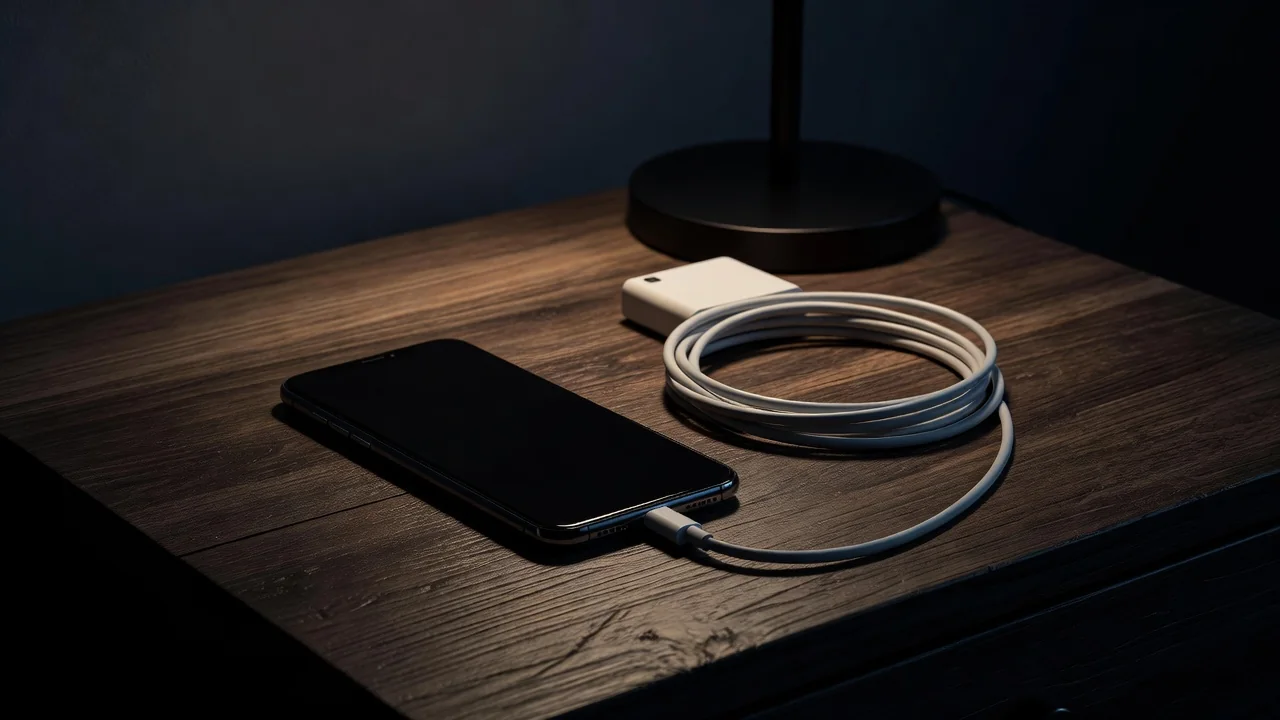
Heat Is the Enemy, Not the Charger
High temperature degrades lithium cells faster than any charging pattern. A phone fast-charging under a pillow, gaming while plugged in, or sitting on a car dashboard in July is aging in dog years. The single best battery habit is keeping the phone cool: charge on a hard surface, not a bed, and take the case off during long gaming or navigation sessions if the phone runs hot.
Wireless charging deserves a note here because it generates more heat than a cable. An hour on a misaligned pad cooks the battery gently every night. If you charge wirelessly, use a stand with proper alignment and a fan, or save the pad for desk top-ups and use a cable overnight.
The 20-to-80 Rule, With Its Real Price Tag
Keeping the charge between 20 and 80 percent measurably slows capacity loss, because the cell stresses most at the extremes. The good news is that modern Android does the work for you: adaptive charging on Pixels, battery protection on Samsung, and charge limits on several 2026 phones cap the overnight charge at 80 percent and finish the rest before your alarm.
Turn the limit on and forget it. If a heavy day is coming, disable it that morning for a full charge. Using the feature situationally beats both extremes: ignoring it entirely, and refusing to charge past 80 percent on the day you need 100.
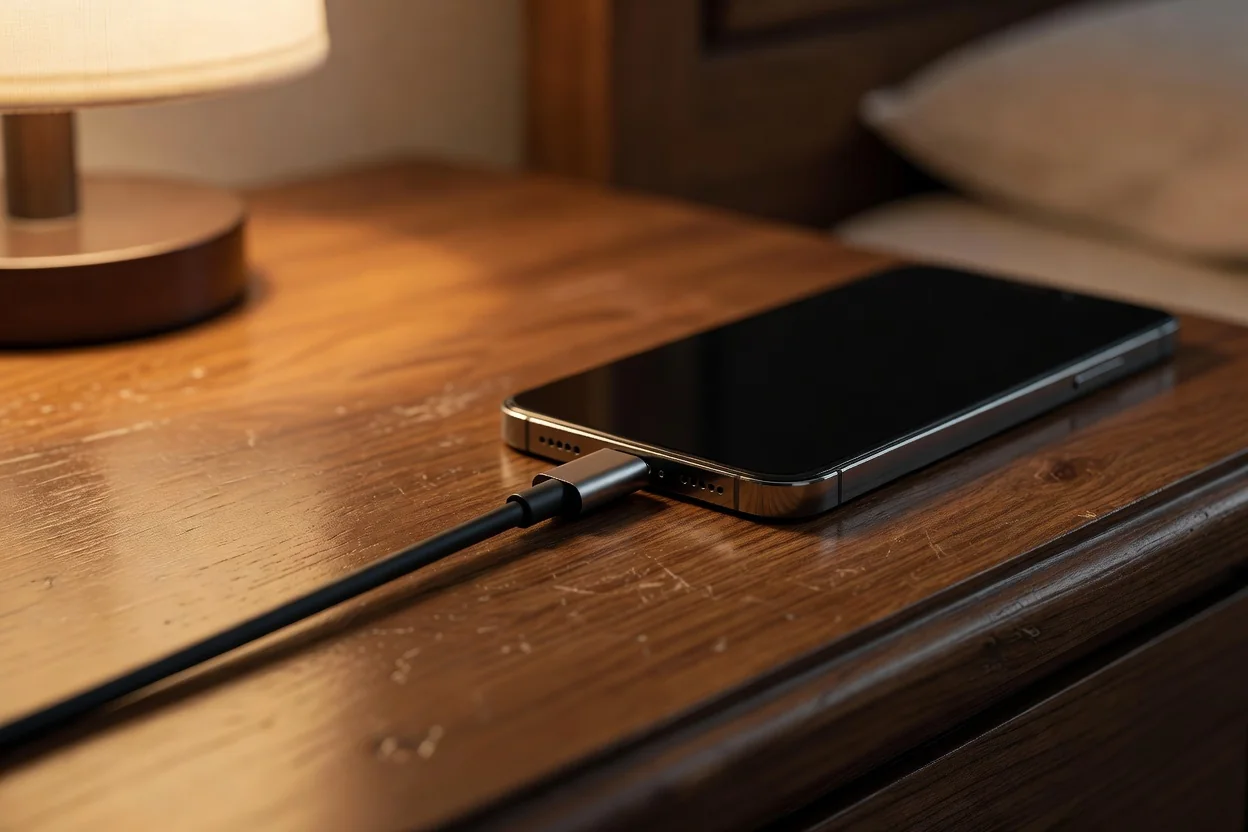
Fast Charging: Gentler Than Its Reputation
Modern fast charging is negotiated between the phone and the charger, and the phone tapers aggressively above 60 to 70 percent. The damage narrative comes from early implementations and cheap third-party bricks. Using the manufacturer's charger, or a certified one from a known brand, fast charging costs little battery health compared with the heat of a slow charge in a hot room.
What to avoid is the bargain-bin charger with no certification. A ten-euro brick that runs hot enough to smell is a battery expense and a safety problem disguised as a saving.
Reading the Battery's Report Card
Several 2026 Android builds expose battery health in settings, showing maximum capacity relative to new. Below 85 percent you start noticing shorter days; below 80 percent a battery replacement, typically 50 to 90 euros at a service center, restores the phone better than any software tweak. Check the number once per season, not once per day.
Habits vs Myths
| Belief | Verdict | What to do instead |
|---|---|---|
| Overnight charging kills the battery | Myth, mostly | Enable adaptive or 80 percent limit |
| Drain to zero before charging | Myth, harmful | Charge whenever convenient above 20 |
| Fast charging destroys cells | Overstated | Use certified chargers, avoid heat |
| Closing apps saves the battery | Myth | Let Android manage memory |
| Heat is the real killer | True | Cool surfaces, case off under load |
The five habits that cover 95 percent of battery longevity:
- Enable the 80 percent charge limit or adaptive charging once, permanently.
- Charge on hard surfaces, never under pillows or in direct sun.
- Use the manufacturer's charger or a certified equivalent.
- Keep the phone out of hot cars and off dashboards in summer.
- Replace the battery at 80 percent health instead of replacing the phone.
Battery care is a set-and-forget discipline. Configure the limit, mind the heat, buy decent chargers, and the chemistry takes care of the rest for years longer than the folklore would have you believe.